A new model in mental health, based in Switzerland.
Psychedelic-Assisted Therapy (PAT) combines careful preparation, the supervised use of substances such as psilocybin, MDMA, or LSD, and psychotherapeutic integration.
In Switzerland, this approach is legally permitted for the treatment of treatment-resistant depression (TRD), post-traumatic stress disorder (PTSD), and certain addictions.
The Consciousness and Mental Health Foundation, a recognized non-profit organization, brings together training, applied research, and therapeutic support under one roof. Guided by the conviction that patients’ lived experience is a vital resource, the Foundation fosters collaboration between health professionals, anthropologists, and researchers to develop models of care that are both innovative and accessible to all.
Our project is part of a broader movement to transform mental healthcare.
by addressing several structural challenges identified in the field:
● Lack of specialised training for healthcare professionals wishing to deliver Psychedelic-Assisted Therapy within an ethical and scientifically rigorous framework.
● Absence of suitable infrastructures for private practice physicians, and the associated cost barriers to providing these therapies in appropriate settings.
● Limited applied research on the therapeutic effects, societal impact, and ethical implications of these practices.
● Insufficient patient involvement in governance, protocol design, and care evaluation.
Our transdisciplinary and ethical model is grounded in co-construction among patients, clinicians, researchers, and anthropologists. A two-year pilot phase will serve to test, refine, and validate this model before broader implementation.

Our Three Strategic Pillars
AN INNOVATIVE AND INTERCONNECTED MODEL
Discover our transdisciplinary approach built on three essential pillars:
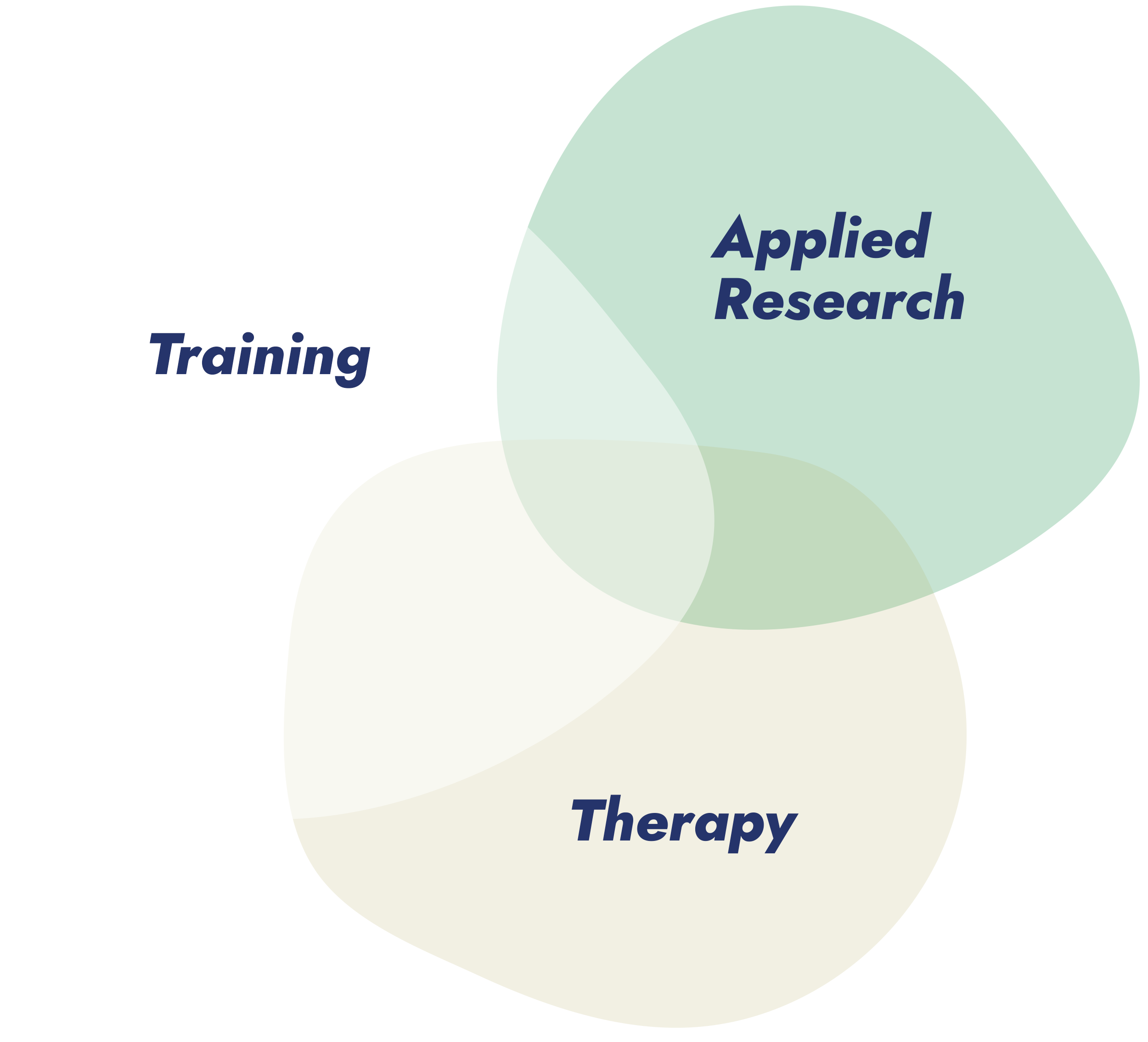
Training
● Develop training programmes for healthcare professionals in collaboration with partners.
● Establish rigorous certification to ensure supervised and safe practice.
Applied Research
● Study of the societal impact of psychedelic-assisted therapy, particularly on relatives as well as the environment.
● Collaborate with universities and institutes specialising in social sciences, health policy, and other relevant fields.
Therapy
● Provide premises and equipment suitable for psychiatrists authorised by the FOPH.
● Ensure a secure therapeutic environment to promote an optimal experience that meets the needs of patients and physicians.
● Make these therapies accessible to as many patient as possible by identifying and pooling costs, and by offering efficient, well-structured support frameworks.
What Drives Us
Our vision
To create a world in which psychedelics are recognised and integrated as powerful tools for healing, personal growth and the expansion of consciousness

Our mission
Through a transdisciplinary approach, we aim to:
● To provide non-discriminatory access to psychedelic-assisted therapies;
● To integrate research, training and therapy within a safe and lawful environment;
● Empowering patients;
● To contribute to a global community that respects ancestral traditions and indigenous knowledge;
● To promote Switzerland’s heritage and innovation in the field of psychedelics.

Our Values
Our foundation is based on a set of universal values:
● Dignity;
● Empowerment;
● Inclusion;
● Transparency;
● Health for all;
● Transdisciplinarity;
Governance
Doctors, patients, therapists, researchers and anthropologists,
bring together their expertise to enrich practices and enhance the quality of care, guided by a commitment to transdisciplinarity. The representation of patients in decision-making bodies and their contribution to the development of protocols strengthen the ethical and human dimensions of the model, complementing the scientific approach led by researchers and clinicians.
As a public-interest foundation based in Geneva, the Consciousness and Mental Health Foundation relies on two bodies:
● The Foundation Board, composed of a medical representative, a patient representative, and a social science expert, bears the legal and strategic responsibility of the Foundation, and ensures its ethical and rigorous governance.
Composition:
Chairman:
Jacques Besson, Psychiatrist and Addiction Specialist, Honorary Professor, Faculty of Biology and Medicine, University of Lausanne. Former Head of the Community Psychiatry Service at the University Hospital of Vaud (CHUV, Vaud)
Vice chairwoman:
Helena Aicher, PhD, clinical psychologist and researcher at the Universities of Zurich and Basel, Switzerland. Lead trainer in the psychedelic therapy training program of SÄPT. Serves as advisor and mentor to several national and international organizations in the fields of psychedelic therapy, research, and education. KFS | Klinischer Forschungsbereich für substanzgestützte Therapie
Board member and board secretary:
Laura Tocmacov-Venchiarutti, Director of ImpactIA and co-president of Psychédelos, she connects artificial intelligence and mental health to rethink our relationship with work and our humanity.
● The Advisory Committee, which brings together leading figures from the fields of medicine, research, anthropology and patient care, guides the broad outlines of the project, defines priorities and highlights the risks, in a spirit of open dialogue.
Composition:
Advisory Committee
Prof. Idris Guessous, Head of the Division of Primary Care Medicine, Geneva University Hospitals (HUG), and Academic Head of the HUG Innovation Center
Dr. Alexandre Alt – Psychiatrist and psychotherapist, Secretary of the Swiss Society for Psychedelic Medicine (SSPM)
Dr. Peter Oehen – is a Swiss psychiatrist and psychotherapist who is a recognised pioneer and expert in the use of MDMA and LSD.
Hélène Rey Ruf – Psychologist and psychotherapist FSP
Dr. Jeremy Narby – PhD in anthropology from Stanford University, author of several books
Jonathan Neels Crespo – former patient, speaker, co-President of Swiss Association of Patients in Psychedelic-Assisted Therapy – Psychédelos
Dr. William A.Richards – PhD, psychologist and researcher (USA), member of the Tyringham Initiative
Coordination
Logistic coordinator :
Jonathan Neels Crespo, is co-President of the Psychédelos Association, peer supporter in integration circles, and actively involved in organizing events related to psychedelic-assisted therapy. He coordinates logistical and community-oriented activities in collaboration with patients, healthcare professionals, and field partners. His approach combines hands-on experience, organizational skills, and a strong focus on inclusion and ethics.
Communication and Administration:
Grégoire Droz-dit-Busset holds a Federal Certificate of Competence (CFC) in commercial administration and a Bachelor of Arts in Information and Communication Sciences, as well as in Linguistics. He is responsible for the day-to-day administrative coordination of the foundation and its external communications. He leads science communication activities via digital channels and develops strategies for fundraising initiatives. Combining institutional rigour with an appreciation for innovative approaches, he ensures that the information disseminated is accurate, inclusive and faithful to the foundation’s mission.
Researcher and FSP-accredited psychologist:
Dahlila Spagnuolo is a psychologist who trained at the University of Fribourg and is the winner of the 2023 Credit Suisse Award (best teacher). Her research focuses on altered states of consciousness and schizophrenia. She specialises in the integration of psychedelic experiences, hypnosis and the support of extraordinary experiences (near-death experiences, mystical states). Recognised for her innovative teaching approach, which combines theory and practice, she is committed to promoting applied research in psychedelic-assisted therapies (PAT), ensuring that scientific discoveries are grounded in a clinical reality that is both humane and safe.
Researcher:
Vincent Diehl holds a Master’s degree in Clinical Psychology (Erasmus University Rotterdam) and is currently a doctoral researcher at the Hasler Lab of the University of Fribourg. His work focuses on neuroplasticity induced by psychedelics, with an emphasis on their effects on memory. Drawing on field experience acquired with indigenous traditions and a research placement on LSD, he contributes to advancing the scientific knowledge required for the safe integration of psychedelic-assisted therapies (PAT). At the end of 2026, he will begin his training in integrative body psychotherapy (IBP).